
 Share Your Requirements

Harnessing Sentiment Analysis to Drive Business Success
Every business listens to customers.
Very few truly understand them.
Customers don't always say exactly what they mean—but their emotions are always there, hidden between the lines of reviews, chats, emails, and social posts. Sentiment analysis helps businesses uncover those emotions and turn them into clear, actionable insight.
This is not about fancy AI buzzwords. It's about understanding people better—and using that understanding to make smarter decisions.

What Is Sentiment Analysis?
Sentiment analysis is a way for machines to read text and figure out how someone feels.
When a customer writes:
“The product works, but support was painfully slow.”
A human instantly senses frustration. Sentiment analysis trains machines to do the same—at scale.
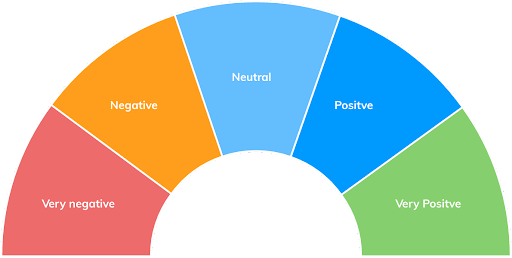
It analyzes written content and labels it as:
- Positive
- Negative
- Neutral
And in advanced systems: - Frustrated
- Angry
- Happy
- Confident
- Disappointed
This works across:
- Reviews and ratings
- Customer support chats
- Social media comments
- Survey responses
- Emails and feedback forms
Instead of guessing customer mood, you measure it.
Why Emotions Matter More Than Metrics
Businesses obsess over numbers—conversion rates, churn, NPS, retention. But emotions drive all of them.
People don't leave because of one bug.
They leave because they felt ignored, confused, or disappointed.
Sentiment analysis helps you see:
- Why customers behave the way they do
- What triggers loyalty or frustration
- Where experiences break down emotionally
That's insight numbers alone cannot provide.


Real Ways Businesses Use Sentiment Analysis
1. Turning Feedback Into Clear Direction
Instead of reading thousands of reviews manually, sentiment analysis quickly reveals:
- What customers love
- What annoys them repeatedly
- Which features create friction
Product teams stop guessing and start prioritizing based on emotional impact.
2. Understanding Social Media Noise
People talk more honestly on social platforms than in surveys.
Sentiment analysis helps brands:
- Spot rising negativity early
- Measure reaction to campaigns
- Understand brand perception in real time
This turns social media from chaos into a listening tool.
3. Improving Customer Support Before It Escalates
Sentiment analysis can flag angry or frustrated customers while conversations are still happening.
That means:
- Faster escalation
- Better agent intervention
- Fewer public complaints
- Higher customer satisfaction
Support becomes proactive, not reactive.
4. Smarter Product and Market Decisions
When launching a feature or updating pricing, sentiment analysis answers:
- Are users confused?
- Are they excited or resistant?
- Are complaints emotional or technical?
This reduces blind launches and costly reversals.
How Sentiment Analysis Actually Drives Growth
Sentiment analysis only works if it leads to action.
The best companies connect sentiment insights directly to:
- CRM systems
- Support workflows
- Product roadmaps
- Marketing campaigns
For example:
- Negative sentiment → priority outreach
- Repeated frustration → product fix
- Positive sentiment → upsell opportunity
That's how emotion turns into revenue.
The Reality Check: It's Not Magic
Sentiment analysis isn't perfect.
Challenges include:
- Sarcasm (“Great, another bug…”)
- Industry-specific language
- Mixed emotions in one message
The solution is not blind automation—it's smart implementation:
- Train models on your domain
- Combine sentiment with context
- Let humans validate critical decisions
AI assists judgment; it doesn't replace it.
Where Sentiment Analysis Is Headed
The future is deeper and more human-aware:
- Real-time emotional alerts
- Voice and text sentiment combined
- Predicting churn before it happens
- Emotion-driven personalization
Soon, businesses won't ask what customers are doing—they'll ask how customers are feeling right now.
Final Thoughts
Sentiment analysis helps businesses remember one critical truth:
Behind every data point is a human emotion.
Companies that understand those emotions move faster, build better experiences, and earn long-term loyalty.
In a world overflowing with data, emotional insight is the real competitive edge.

