
 Share Your Requirements

Text to Speech: Performance Optimization Techniques
Text-to-Speech (TTS) systems have moved far beyond novelty use cases. Today, they power virtual assistants, IVR systems, accessibility tools, e-learning platforms, audiobooks, and real-time conversational AI. As adoption grows, performance becomes the differentiator—latency, scalability, cost efficiency, and audio quality directly impact user experience and business outcomes.
This article breaks down proven performance optimization techniques for modern Text-to-Speech systems, covering both architectural and model-level considerations.

Why Performance Optimization Matters in TTS
Poorly optimized TTS systems result in:
- High response latency
- Inconsistent audio quality
- Excessive infrastructure costs
- Poor scalability under load
In real-world applications—voice assistants, live chat-to-voice, or call automation—even a few hundred milliseconds of delay can break the experience. Optimization is not optional; it is foundational.
1. Choose the Right TTS Model for the Job
Not all TTS models are created equal.
Optimization Strategy
- Use lightweight models for real-time or conversational use cases.
- Reserve large neural models for offline or high-fidelity content generation.
- Prefer streaming-capable models for live applications.
Impact
- Reduced inference time
- Lower GPU/CPU utilization
- Faster first-audio-byte delivery
2. Enable Streaming Audio Generation
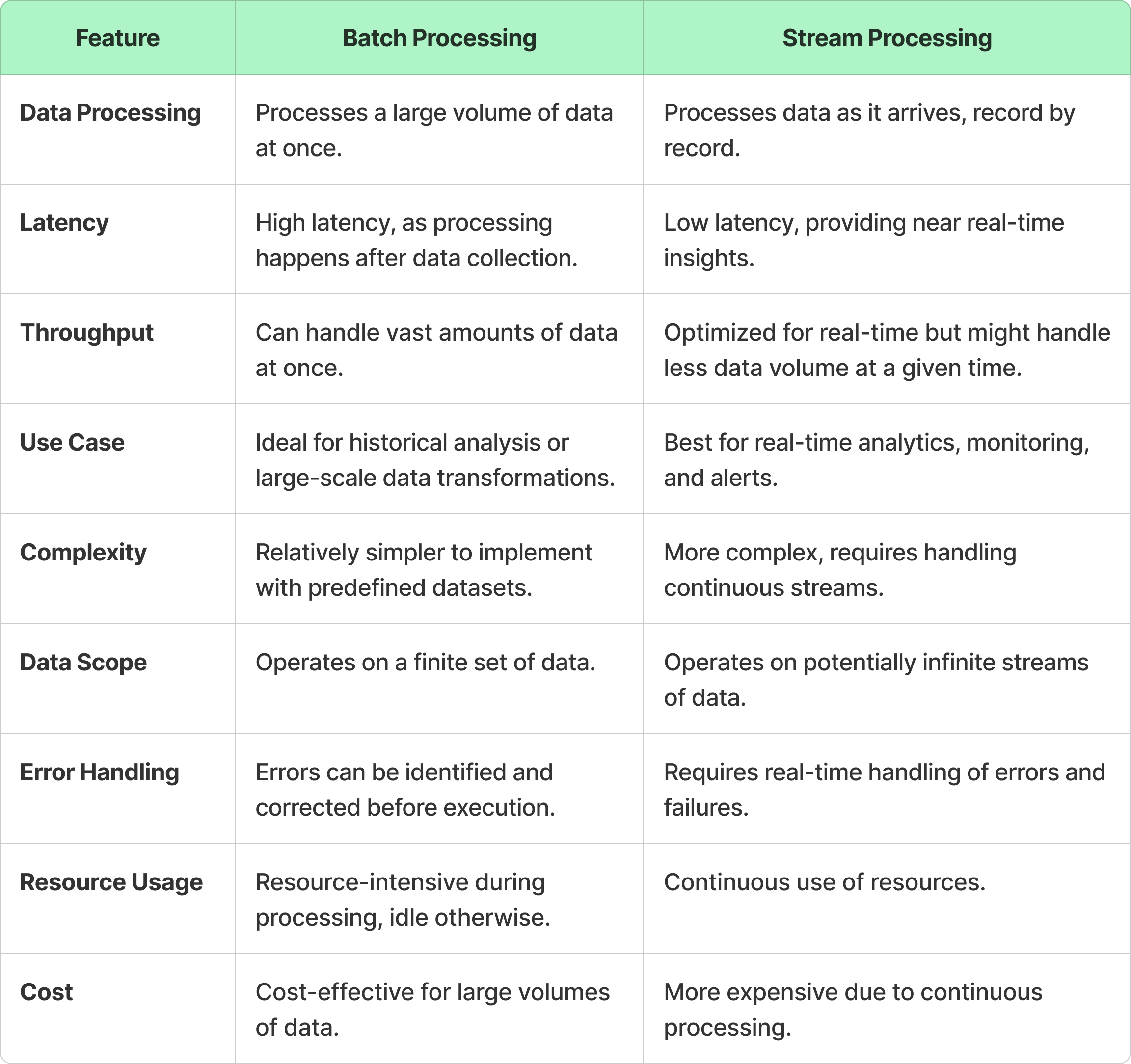
Batch-based TTS waits for full text synthesis before playback. This is inefficient for long responses.
Best Practice
- Implement chunk-based or streaming TTS, where audio is generated and played incrementally.
- Start playback as soon as the first phoneme frames are ready.
Result
- Perceived latency drops significantly
- Smoother, more conversational experiences
This is critical for voice bots and AI assistants.
3. Optimize Text Preprocessing Pipelines
Text normalization often becomes a silent bottleneck.
What to Optimize
- Tokenization
- Number expansion (dates, currencies, units)
- Pronunciation lookup
- SSML parsing
Techniques
- Cache normalized outputs for repeated phrases
- Precompile grammar rules
- Avoid over-engineered NLP when simple rules suffice
Outcome
- Faster request handling
- Lower CPU overhead before synthesis even begins
4. Implement Aggressive Caching
A surprising amount of TTS traffic is repetitive.
Cache What Matters
- Frequently used phrases
- IVR prompts
- UI feedback messages
- System notifications
Where to Cache
- In-memory (Redis, local LRU cache)
- Object storage for pre-rendered audio
- CDN for public-facing assets
Business Benefit
- Near-zero latency for repeated requests
- Massive cost reduction at scale
5. Use Hardware Acceleration Strategically
Throwing GPUs at the problem is not always the answer.
Optimization Guidelines
- Use GPU inference only where latency or quality demands it
- Run lightweight voices on CPU with SIMD optimizations
- Batch inference requests where real-time constraints allow
Advanced Tip
Quantized models (INT8 / FP16) often deliver 2–4× speedups with minimal quality loss.
6. Reduce Audio Post-Processing Overhead
Audio post-processing can quietly degrade performance.
Common Issues
- Excessive resampling
- Large WAV outputs when MP3/OGG would suffice
- Unnecessary silence trimming at runtime
Optimization Steps
- Generate audio directly in the target sample rate
- Use compressed formats where acceptable
- Handle silence removal during model training, not inference
7. Scale with Asynchronous and Queue-Based Architectures
Synchronous TTS pipelines do not scale well under burst traffic.
Recommended Architecture
- Async request handling
- Message queues (Kafka, RabbitMQ, SQS)
- Worker-based TTS processing
- Priority queues for real-time vs batch jobs
Result
- Predictable latency
- Horizontal scalability
- Better fault tolerance
8. Monitor, Measure, and Tune Continuously
You cannot optimize what you do not measure.
Key Metrics to Track
- Time to first audio byte (TTFAB)
- Total synthesis time
- Requests per second (RPS)
- Cost per 1,000 characters
- Error and timeout rates
Actionable Insight
Performance tuning is iterative. Small gains compound at scale.

Final Thoughts
Optimizing Text-to-Speech performance is a multi-layer problem—model selection, preprocessing, inference, infrastructure, and delivery all matter. Teams that treat TTS as a core system rather than a plug-in feature gain a clear competitive advantage.
As TTS becomes central to conversational AI, accessibility, and voice-first products, performance optimization will define who wins and who struggles at scale.
If you are building or scaling a TTS solution, start with latency, design for streaming, cache aggressively, and measure relentlessly.

