Oodles Logo
Get a Free Quote
AI iconShare Your Requirements
Insights
Oodles Platform
Author Img
Saumya leverages her remarkable expertise as a Content Writer, supported by a deep reservoir of knowledge in the domain. With her extensive background in content writing, Saumya assumes the role of a content strategist with exceptional aptitude. Within this role, she crafts captivating social media posts and thoroughly researched blog entries, both instrumental in shaping a distinctive brand identity. Through seamless collaboration with her team, she amplifies her cooperative skills to drive client growth and advancement effectively.

Saumya Srivastava (Author)

Associate Consultant L1- Content Development

Technical Contributors
Author Img

Amit Gaba

Manager-Legal

Amit is an experienced professional in the Legal services, specializing in Contract Management. His skills encompass a wide range of contract-related tasks, including creating fresh templates, contract drafting, reviewing, vetting, and negotiations. He has extensive experience working with Contract Lifecycle Management (CLM) tools such as Apttus, Cong CLM, and Panda Doc. Amit has independently developed over 100 templates for different clients to be utilized in CLM processes. Additionally, he has actively contributed to safeguarding the legal interests of the company in recovery cases, as well as handling civil and criminal disputes, including the filing of fresh cases in various courts. He possesses sound knowledge of legal compliance, including labor laws, government regulations, company laws, and data protection laws, including GDPR. Moreover, he has valuable experience in managing intellectual property rights (IPR), handling trademark and copyright applications and disputes.

Critical Data Protection Agreement Clauses for Businesses

Author Img
Saumya Srivastava
Nov 04, 2025
Blog Img
Area Of Expertise:
Legal Agreement

Did You Know?
In 2025, the average cost of a data breach globally reached $4.44 million, while in the U.S., it soared to $10.22 million — making robust Data Protection Agreements (DPAs) more critical than ever. (Source:  IBM Data Report)

This is where the Data Protection Agreement (DPA) comes into play. Far from being just another piece of legal paperwork, a DPA is a strategic safeguard legal agreement that defines how personal and sensitive data is collected, processed, stored, and protected between business partners. For leaders, it's not only about compliance- it's about building trust, mitigating risks, and enabling sustainable growth.
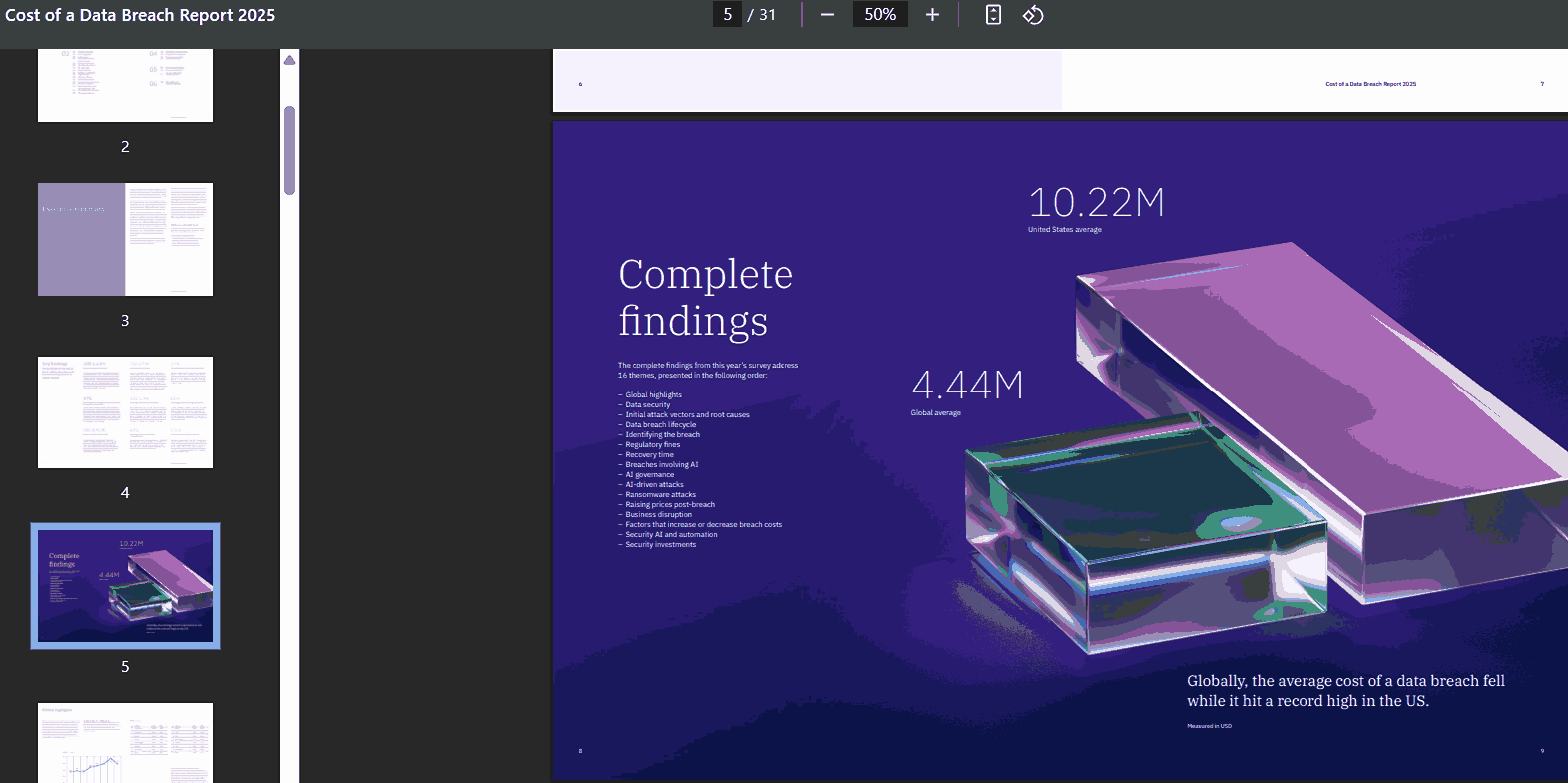
 

Screenshot from IBM Data Breach Report 2025 showing global and U.S. average breach costs.
Source: IBM Cost of a Data Breach Report 2025


What Is a Data Protection Agreement(DPA)?

Definition:Data Protection Agreement isn't just another piece of legal paperwork — it's a strategic safeguard. It defines how personal and sensitive data is collected, processed, stored, and protected between business partners.

For software leaders and executives, a DPA represents more than compliance — it's about building trust, mitigating risks, and enabling sustainable growth.  


Explore this guide | What Are the Different Types of Software Legal Agreements?


Why Businesses Need Data Protection Agreements

Data Protection Agreements are vital for modern enterprises because they:

  • Ensure compliance: Meet global regulatory requirements such as, the General Data Protection Regulation (GDPR), the California Consumer Privacy Act (CCPA), the Health Insurance Portability and Accountability Act (HIPAA), and more.
  • Mitigate risks: Avoid massive financial penalties and lawsuits that follow non-compliance.
  • Protect brand reputation: Show customers and partners that their data is in safe hands.
  • Strengthen partnerships: Many clients, investors, and vendors demand a Data Protection Agreement (DPA) before entering into business relations.
  • Enable global scalability: Businesses expanding internationally need compliant agreements to transfer data across borders legally.               

For executives, a well-structured DPA is not a “nice-to-have”—it's a strategic necessity.


Check out our informative video on the legal agreement for a clearer understanding. |  Video Explanation Link


Essential Clauses in a Data Protection Agreement

When drafting or reviewing a DPA, businesses should ensure it includes the following critical clauses:


The following are the essential clauses on must know in a Data Protection Agreement:

Critical Clauses in a Data Protection Agreement


  1. Purpose of Data Processing
    Defines the specific reasons data is collected and how it will be used. This prevents misuse or unauthorized applications. 
     
  2. Data Ownership & Rights
    Clarifies who owns the data and who has rights to access, modify, or delete it. This reduces disputes and safeguards business value. 
     
  3. Security Safeguards
    Outlines mandatory technical and organizational measures—such as encryption, access controls, and monitoring—to protect sensitive information. 
     
  4. Breach Notification Obligations
    Establishes how and when the data controller must notify the other party (and regulators) in the event of a data breach. 
     
  5. Cross-Border Data Transfers
    Ensures compliance with international data transfer laws, critical for businesses operating across multiple jurisdictions. 
     
  6. Third-Party and Sub-Processor Management
    Holds vendors and service providers accountable for how they handle your business data. 
     
  7. Data Retention and Deletion Policies
    Specifies the duration for which data can be stored and the method for securely deleting it once it is no longer needed. 
     
  8. Liability and Indemnity
    Clearly defines which party bears responsibility if something goes wrong, protecting businesses from unfair exposure.


    Related Insights | Why Every Business Needs Strong IP Protection
     

Strategic Benefits of Strong DPAs : How can it help Businesses?

A well-crafted Data Protection Agreement doesn't just keep regulators satisfied—it deliver measurable business value:

  • Investor and Client Confidence: Demonstrates robust governance, making your company a trusted partner.
  • Reputation Management: Minimizes the impact of data mishandling or breaches. Check this blog on cloud data security , "Is Your Cloud Truly Secure? An IBM Cloud Security Deep Dive".
  • Future-Proof Compliance: Keeps your business resilient as data protection laws evolve. 
  • Operational Efficiency: Ensures clarity and accountability across departments and partners.


    Need strategic legal compliance to your project? Connect our legal experts.


The Future of Data Protection Agreements

As global data regulations tighten and customer expectations rise, the role of DPAs will only grow. Trends shaping the future include:

  • AI-driven compliance monitoring, where technology helps enforce DPA terms. 
  • Stricter cross-border laws, require businesses to update agreements more frequently. 
  • Integration of ethics into data use, beyond legal compliance.

     Forward-thinking businesses won't just comply—they'll leverage DPAs as a strategic differentiator.
     

Read More | Difference Between Non-Disclosure Agreement and Contract | Explained
 

*Note of Related Legal Terms

GDPR (General Data Protection Regulation)

The General Data Protection Regulation (GDPR) is a privacy and security law enacted by the European Union (EU). While it originates from the EU, GDPR applies to any organization that targets or collects personal data from individuals within the EU.

This regulation primarily governs how personal data is processed, defining roles such as data subjects, controllers, and processors. It requires organizations to have Data Protection Agreements (DPAs) in place with third-party processors. If your business handles data belonging to EU residents, compliance with GDPR—including implementing DPAs—is mandatory, as failure to comply can lead to substantial fines and penalties.

HIPAA (Health Insurance Portability and Accountability Act)

Definition: HIPAA is a U.S. federal law enacted in 1996 that sets national standards for the protection of sensitive patient health information. It governs how healthcare providers, insurers, and their business associates collect, store, and share Protected Health Information (PHI).

Check this blog | Basic Types of Intellectual Property Rights
 

Conclusion

In a business environment where data equals trust, a robust Data Protection Agreement is no longer optional. It ensures compliance, protects your reputation, and gives your business the foundation to scale securely.

Don't wait for a breach or a compliance fine to take action—review your DPAs today and make them a cornerstone of your data governance strategy.  In software development, data is at the heart of every project. A robust Data Protection Agreement ensures compliance, protects sensitive code and user data, and provides a secure foundation for scaling your applications.

With Oodles, don't wait for a breach or legal complications— contact us today to strengthen your data protection agreements and safeguard your software development projects from day one.
 

Frequently Asked Questions(FAQs)
 

Q1. Are DPAs mandatory for every business?
Yes, they are just like  IP protection for your ideas; DPAs are important. If your company handles personal or sensitive data, regulators often require a DPA between the controller and processor.

Q2. How are DPAs different from NDAs?
NDAs protect confidential information, while DPAs specifically govern personal data handling, processing, and protection.

Q3. Do small businesses or startups need a Data Protection Agreement?
Absolutely. Even startups can face steep fines under laws like GDPR. Having a DPA builds credibility and safeguards growth.

Q4. Who should draft a DPA?
Legal experts with experience in data protection. Off-the-shelf templates rarely meet complex regulatory needs.

Q5. How often should DPAs be reviewed?
At least once a year, or whenever new regulations, vendors, or technologies are introduced.

Q6: When do I need a Data Protection Agreement (DPA)?

 You need a DPA whenever a third party processes personal data, especially for EU residents under GDPR. Even outside the EU, a DPA clarifies roles and responsibilities between parties handling data.