


Ideas don't just sit on paper anymore—they drive products, power startups, and shape entire industries. Whether you've written a line of code, designed a logo, or developed a new business method, it deserves protection. That's where Intellectual Property Rights (IPR) come into play.
These rights not only safeguard your work but also give you full control over how it's used, shared, and monetized. Let's break down the meaning, types, and importance of IPR, along with tools and practices that help you stay protected.
Intellectual Property Rights are legal safeguards granted to creators, innovators, and businesses. They ensure your intangible assets—like designs, content, inventions, or branding—are not exploited without your consent.
In simple terms:
“Intellectual Property Rights give you legal ownership of your creative work—allowing you to protect, license, and monetize it.”
With IPR in place, you gain:
Key Types of Intellectual Property
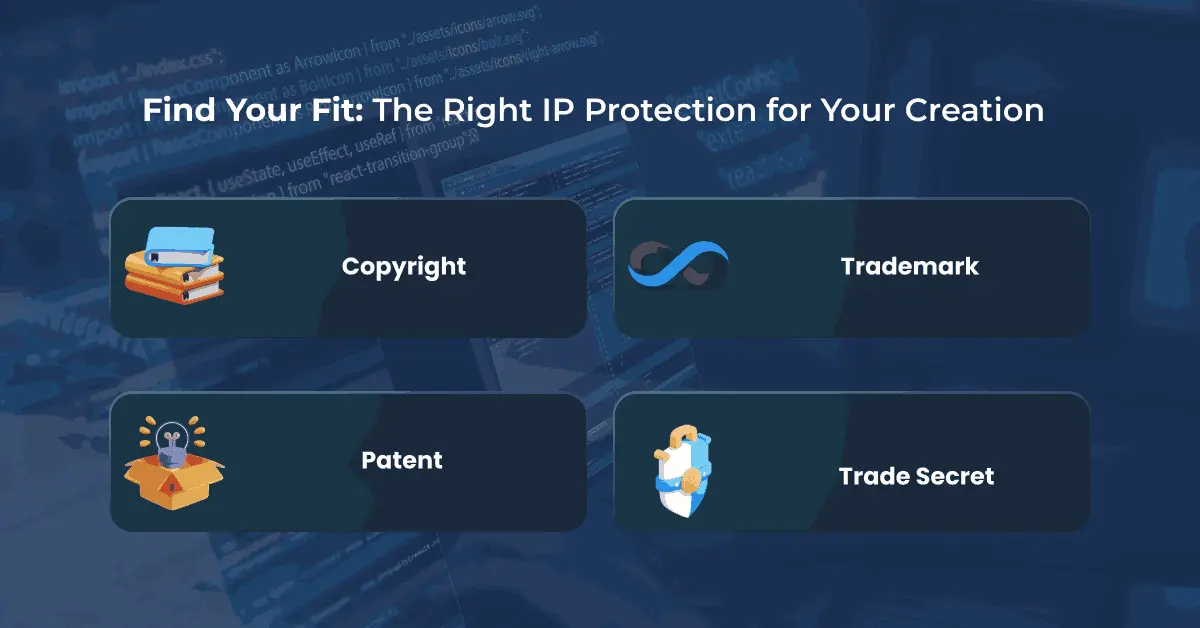
Understanding the types of IP is the first step in securing your assets. Here's a breakdown of the most essential categories:
Example: If you've developed an app or written unique documentation, copyright ensures others can't copy or sell it.
Example: Your startup's logo or product name is trademarkable and helps create a unique brand identity.
Example: If your team designs a unique hardware component, a patent prevents others from making or selling it without your permission.
Example: Internal algorithms, recipe formulas, or sales strategies can be protected as trade secrets.
When your business relies on innovation or original work, protecting your IP becomes a business priority—not just a legal formality.
Here's why it is important:
You've worked hard to build your product—protect it before someone else profits from it.
Manual IP management doesn't scale. That's where Intellectual Property Tracking Software can make all the difference.
These tools offer:
Whether you're running a startup or managing multiple IP assets, these platforms give you complete control, transparency, and automation.
From startups to enterprises, businesses in every industry benefit from proper IP strategy. Here's how it plays out in the real world:
Each use case shows how IP is more than legal—it's strategic.
1. What's the role of trademark in intellectual property rights?
Trademarks protect brand identity—like names, logos, and slogans—making your business easily recognizable and legally defended.
2. What qualifies as copyright intellectual property?
Original works such as written content, software, videos, music, or visual art are protected under copyright from the moment they are created.
3. How does intellectual property protection benefit small businesses?
It prevents competitors from copying your brand or ideas, builds customer trust, and enables you to monetize your assets.
4. What does intellectual property tracking software actually monitor?
It detects IP misuse, tracks ownership changes, sets renewal alerts, and automates compliance documentation.
5. Do I need legal registration for all IP types?
Copyright is automatic, but trademarks and patents must be registered for broader legal enforcement.
Protecting your creations isn't just about legal safety—it's about preserving value, ownership, and future growth. As businesses increasingly rely on ideas, design, and innovation, having the right protection in place becomes a strategic advantage.
Our IP protection experts can help you understand the core types of intellectual property and how each applies to your work, you're better equipped to prevent misuse, safeguard your brand, and create new revenue opportunities.


© Copyright 2009-2026 Oodles Technologies. All Rights Reserved.